Originally published August 2026. Events, forecasts, and offers reflect this issue's publication date.
When your home or business suffers property damage, your first instinct is probably to call your insurance company. That is exactly what most people do. But here is what many policyholders do not realize: the insurance company has professionals representing its interests. Who is representing yours?
The Difference Between Filing a Claim and Maximizing One
Why Hire a Public Adjuster
A public adjuster works exclusively for the policyholder, not the insurance company. The role is to evaluate the full extent of the loss, interpret the policy, document covered damage, negotiate directly with the carrier, and pursue the settlement available under the policy.
The Statistics Speak for Themselves
A study conducted by the Florida Office of Program Policy Analysis and Government Accountability reviewed more than 76,000 insurance claims and found that:
Policyholders represented by public adjusters generally received higher claim payments than those who handled claims on their own.
Public adjusters represented approximately 26% of non-catastrophe claims and 39% of catastrophe claims included in the study.
Represented claims often took longer to resolve because of additional documentation, inspections, and negotiations, but resulted in larger settlements.
The study did not conclude that public adjusters inflate claims. It found that represented claims often involve more comprehensive documentation and negotiation, resulting in higher payments to policyholders.
Why This Matters
Insurance policies are legal contracts. Most homeowners and business owners file only a few property claims in their lifetime, while insurance companies handle thousands every day.
A public adjuster understands:
- Policy language and coverage interpretation
- Building costs and repair estimating
- Hidden damage that may not be obvious initially
- Documentation required to support the claim
- The negotiation process with insurance carriers
- Simply put, professional representation helps level the playing field.
Common Misconceptions
My Insurance Company Will Automatically Pay What I Am Owed
Insurance companies are obligated to pay covered losses according to the policy. Determining the value of those losses, however, often depends on inspections, documentation, estimates, and interpretation of policy language.
Public Adjusters Are Only for Denied Claims
Many clients hire a public adjuster immediately after damage occurs so the claim is documented properly from the beginning. Others call after receiving an offer they believe does not fully cover the cost of repairs.
I Cannot Afford a Public Adjuster
Public adjusters work on a contingency basis, so there are no upfront fees. Compensation is tied to the recovery obtained for the policyholder under the agreement.
When to Consider Calling a Public Adjuster
- Roof damage
- Water damage
- Fire or smoke damage
- Wind or hail losses
- Commercial property damage
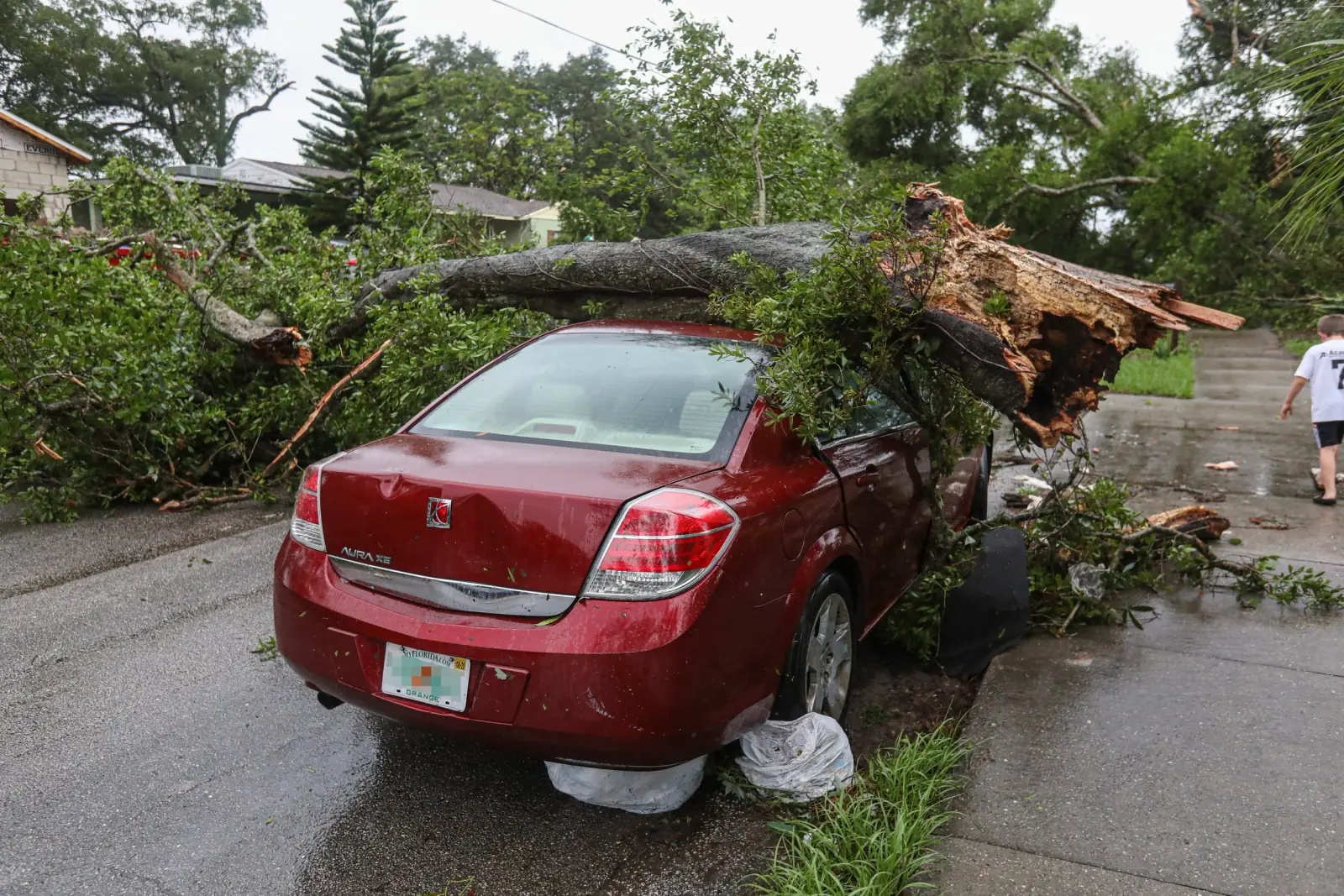
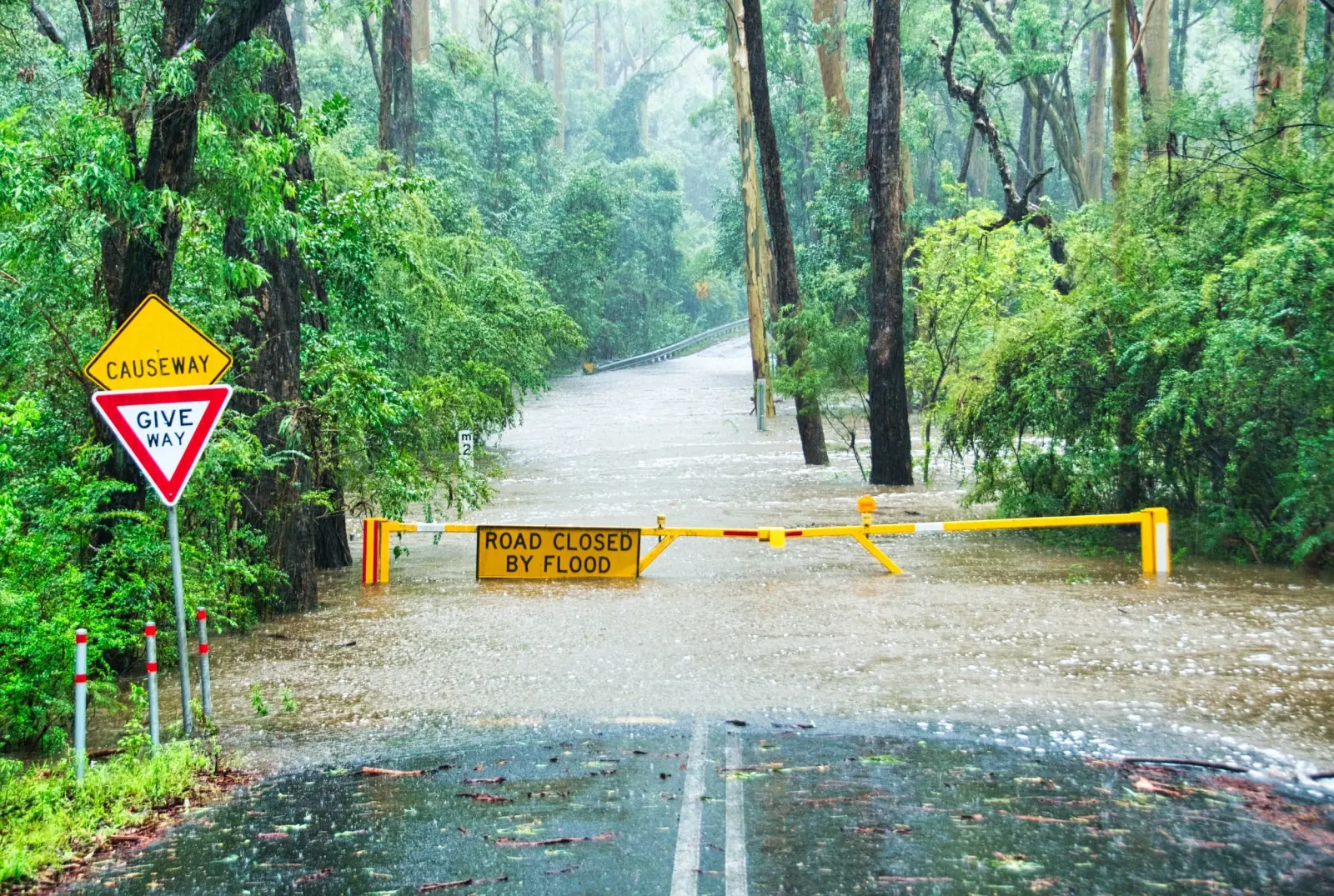
- Storm claims
- Large or complex losses
- Claims that have been delayed, underpaid, or denied
Our Commitment
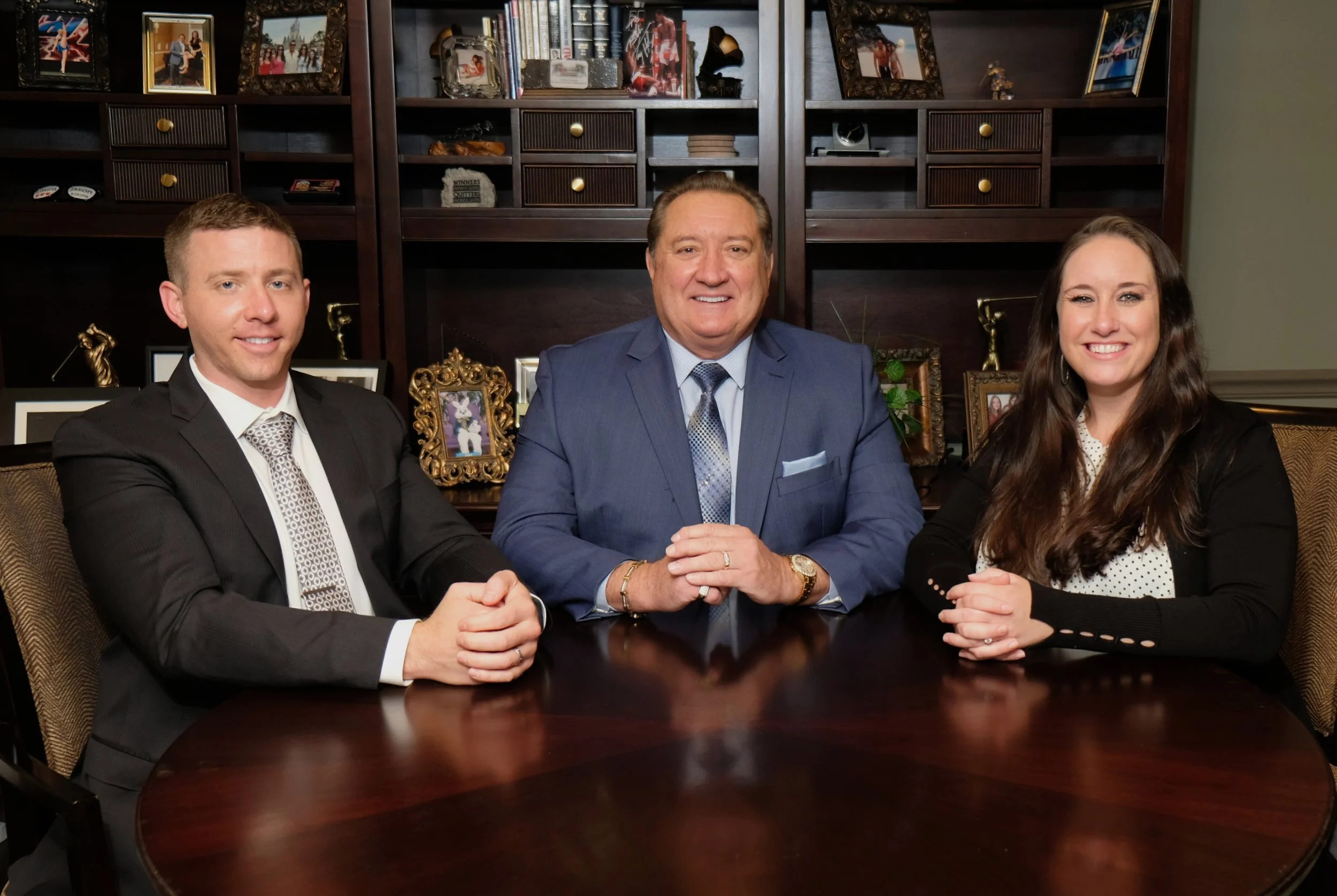
Hillis Adjustment Agency has helped homeowners and business owners navigate the insurance claims process since 1987. The team works for the policyholder so each claim is thoroughly documented, professionally presented, and firmly negotiated.
Need Help With a Property Damage Claim
Whether you have just experienced damage or have questions about an existing claim, the Hillis team is ready to help. When damage occurs, why settle for less? Call Hillis first at (800) 445-5471.
Introducing the New Hillis Referral App
The Hillis Referral App makes it easier to help friends, family, neighbors, and clients while tracking eligible referral rewards.
Submit referrals from your phone
Track the status of each referral
Monitor referral rewards in one place
Access Hillis resources, podcasts, blogs, and newsletters
The Hillis Advantage Podcast
The Hillis Advantage gives homeowners, business owners, and industry partners practical knowledge for before, during, and after a claim. The podcast breaks down the insurance process, shares real claim experiences, and explains details policies may not make clear.
What you do not know can cost you. Listen, learn, and stay prepared.